Ms Pliška, how does the new children's group in Nová Zbrojovka work?
We are very happy that we were able to welcome the first children to our new children's group in ZET.Office on 1 September. The group has a maximum capacity of 18 children. It is important to us to maintain a smaller group so that we can provide individual attention and really get to know and understand each child. The group builds on our Czech-English Montessori preschool in nearby Židenice on Gajdošova Street, which has been operating since 2024. We also accept children throughout the year, depending on capacity. At the moment, we still have a few places available at both locations.
 |
| We spoke with Zuzana Pliška, founder and director of Pliška Academy |
What age group is the children's group intended for?
It is primarily intended for children from the age of three until they start school, but we are happy to welcome younger children as well. Our preschool on Gajdošova is available for children from 18 months to three years of age. In both groups, children of different ages learn and play together. Younger children naturally learn from the older ones, while older children develop the ability to help, cooperate and respect the needs of younger children.
You founded Pliška Academy in Brno. What is its main philosophy?
I founded Pliška Academy in Brno in 2020, after my family and I moved here from Zlín. From the very beginning, I wanted to create a place where children's development makes sense, where individual stages naturally build on one another, and where children can gradually grow and develop – from their first months all the way to their first steps into school. We combine Montessori education, PlayWisely and a natural bilingual environment. We do not want to put pressure on children. Instead, we want to create a calm and safe environment where they feel secure and accepted for who they are, while also having the opportunity to fully develop their potential.
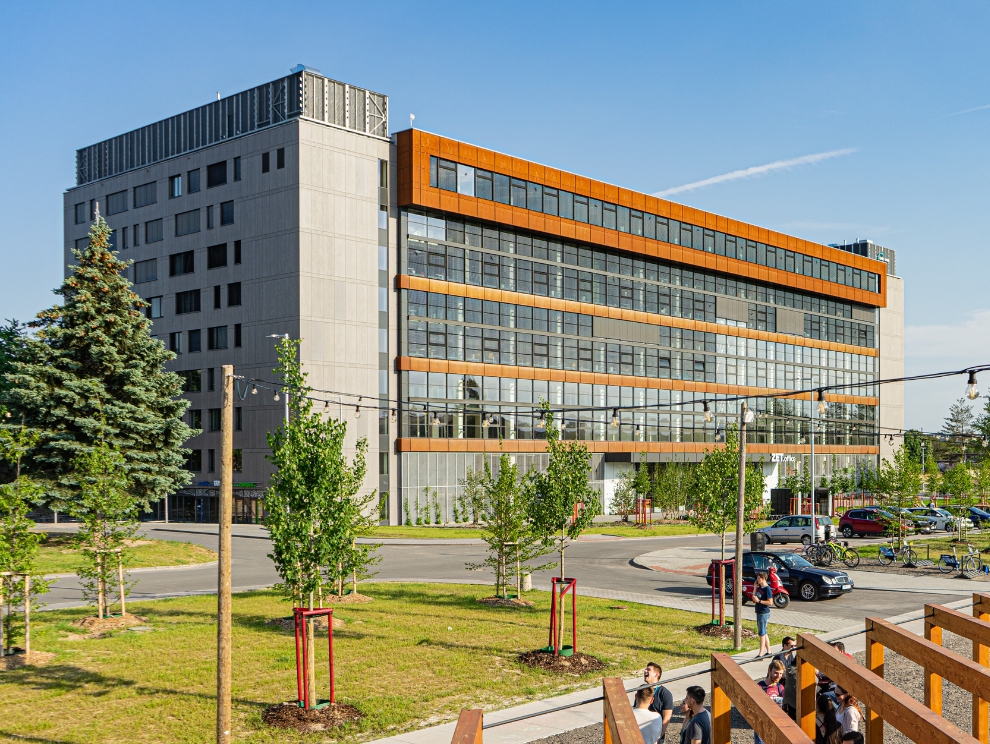 | 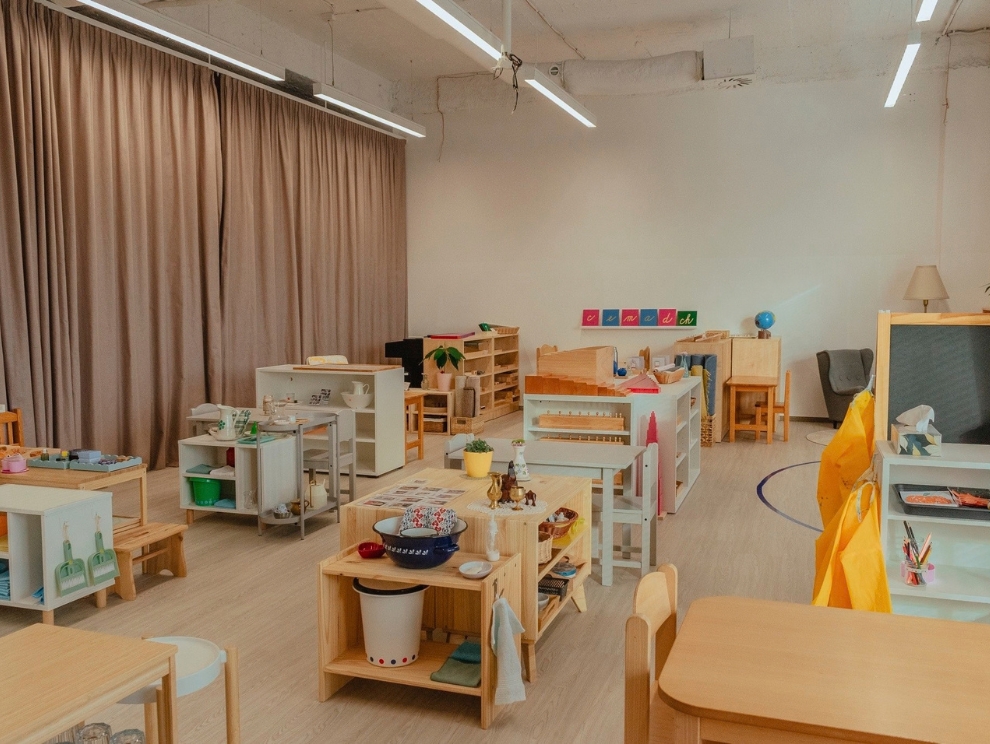 |
| The new children's group has been operating since September in the modern ZET.Office building | Children enjoy bright, modern and playfully designed spaces |
So Montessori education is at the heart of your approach, complemented by the PlayWisely programme. How does this combination work in practice? And what do children gain from the two approaches?
I see Montessori and PlayWisely as one philosophy expressed through two different paths. They are two distinct approaches, each with its own methodology, materials and role of the adult, but they share a view of the child as an active participant in their own development. Personal experience, movement, repetition and the gradual development of skills are all essential.
We primarily guide children towards independence, responsibility and mutual respect. We develop both gross and fine motor skills, concentration, attention, memory, language, creativity and logical thinking. Practical life skills also play an important role – learning to look after oneself and becoming increasingly independent in everyday activities.
We want children to gradually develop inner confidence and not be afraid to try new things. What matters to us is not only what a child can do, but also that they feel comfortable with themselves, know how to cooperate with others and enjoy discovering and exploring the world.
Most people have heard of Montessori. PlayWisely is a less familiar approach. What is it based on?
PlayWisely is a programme for children from their first months of life through to starting school that combines cognitive development with physical activity. At its core is a set of specially designed educational cards that support attention, memory, visual perception and recognition skills, as well as early mathematical skills. The cards are shown to children at regular intervals and in quick succession. According to scientific research, this is one of the ways young children's brains can best absorb and retain new information. The programme also focuses on physical development, from gross and fine motor skills to visual-motor coordination, movement coordination, spatial awareness and balance. We see it as a kind of workout for the brain and body at the same time – not for performance, but for life.
PlayWisely was created by American Patty Hannan, a former member of the U.S. national gymnastics team, whose sporting career also led her to collaborate on research at NASA. This experience inspired her to study neuroscience and related fields, and she subsequently drew on knowledge from various disciplines to develop the method. She also has a personal connection to the Czech Republic – when she was younger, as part of her studies of Slavic nations, she also spent time in Prague. This is one of the reasons why PlayWisely began developing in the Czech Republic in the same year as it did in the United States. This year, PlayWisely is celebrating its 20th anniversary in the Czech Republic and is now available in several cities across the country.
Patty Hannan herself says that if Maria Montessori had had access to today's scientific knowledge, she would probably have developed a similar programme as well. What Maria Montessori discovered primarily through long-term observation of children is now, in many areas, also supported by modern scientific research and brain-imaging methods.
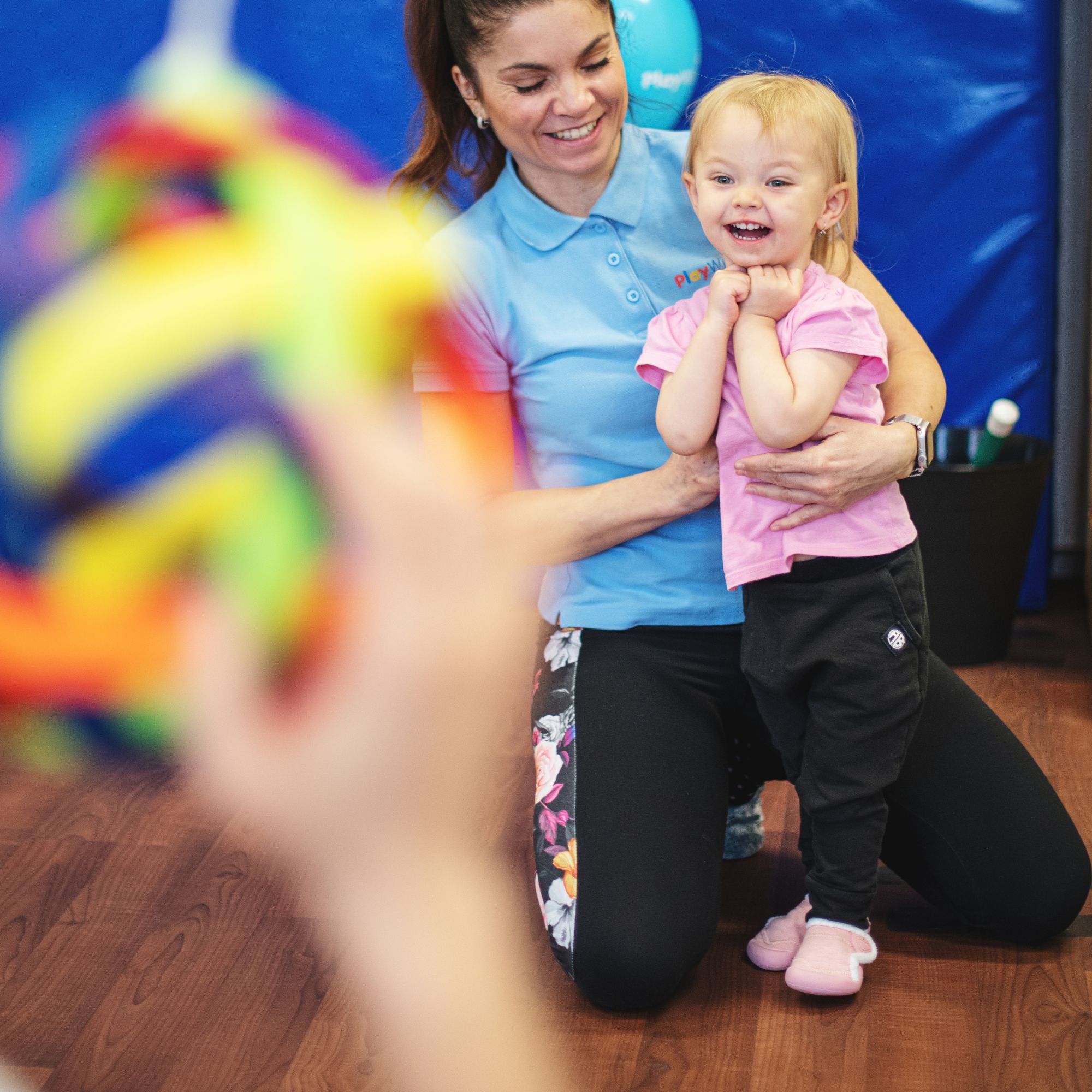 | 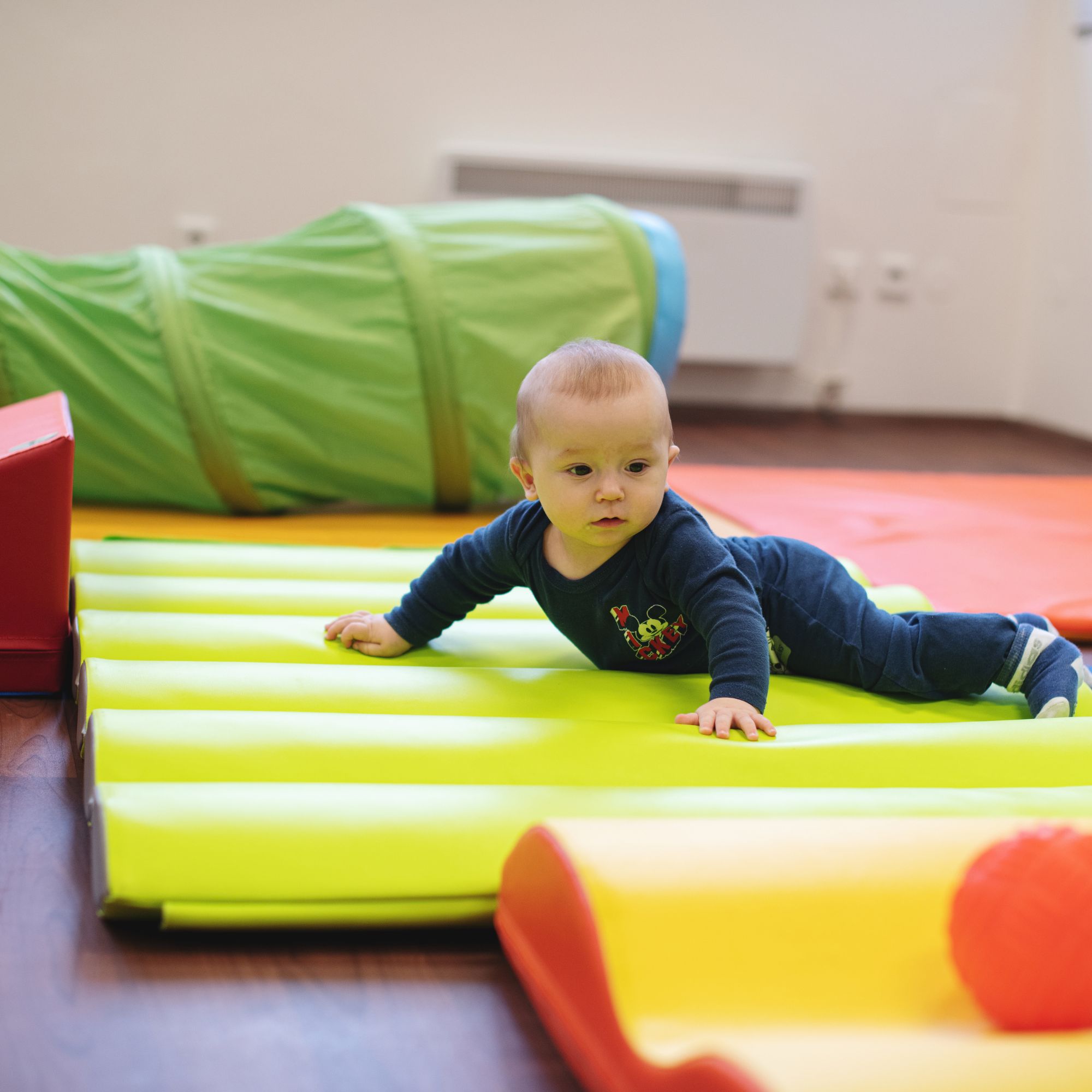 |
The children's group is based on the principles of Montessori and PlayWisely, naturally guiding children towards independence, responsibility and mutual respect | In both approaches, children discover the world through their own experiences, movement and repetition, naturally developing their skills along the way |
The children's group is bilingual, with children speaking both Czech and English throughout the day. How does it work in practice, and what does it bring to the children?
There are always two teachers in the classroom in the morning – one speaks Czech and the other English. The English-speaking teacher is Czech, but communicates in perfect English. Older children sometimes need something more complicated explained, so she uses what we call a “sandwich” approach – she says something in English, explains it in Czech and then repeats it in English. This allows children to learn and absorb English completely naturally. A native English speaker also joins us every afternoon. The children naturally switch between Czech and English and gradually get used to both languages being a normal part of their everyday lives.
And are the children in the group from bilingual or Czech-speaking families?
We have children from both bilingual and purely Czech-speaking families. Their parents want their children to learn English naturally from an early age. Looking ahead, we are also prepared to welcome children who speak only English. In that case, the environment would naturally work the other way around as well, with the children learning Czech.
How do you select your teachers?
I wanted the people who work with us to share a similar mindset and values. That is why they first get to know the values of Pliška Academy, which I have set out in great detail in a 27-page document. These values are based on both Montessori and PlayWisely. We strive to ensure that our teachers genuinely understand Montessori education and put its principles into practice every day. Our role is to observe each child carefully and create the conditions in which they can develop naturally. I believe that true education begins long before a child receives their first assignment. It begins with relationships, a sense of safety, trust, a prepared environment and everyday respect for the child.
What are PlayWisely sessions like in Židenice, and who are they designed for?
For the youngest children, from four months to four years old, groups consist of a maximum of three children, each accompanied by one adult. Preschool children aged four to six attend sessions without their parents, with a maximum of four children per group. Keeping the groups small is important to us because it allows us to give each child truly individual attention. We also offer individual sessions, including sessions for children with special needs. We have recently introduced a new autumn course consisting of 12 sessions for children up to the age of seven.
And what has your personal experience with this method been like?
I have been teaching PlayWisely for 16 years. During that time, I have met many children who first came to us when they were very young and gradually grew up. And, of course, I have also seen the method work with my own son. With children who attended the sessions regularly, I saw significant progress in their skills, their ability to make connections, creativity and independence. It was precisely this long-term observation of children that confirmed for me how meaningful it is to start supporting their development from a very early age.
Overall, I have been working with children for more than 25 years, both in education and in the fields of sport and physical activity. I have worked as a teacher, an aerobics instructor and a coach leading movement and dance classes for children, which has allowed me to observe their development from many different perspectives. I studied Primary School Teaching at Masaryk University in Brno and subsequently completed a professional programme for school directors. I have been a certified PlayWisely instructor since 2010, and in 2015 I completed the AMI Montessori Assistant diploma course for children aged 3–6. So after all these years, I have gained quite a lot of experience – and plenty of opportunities to compare different approaches.
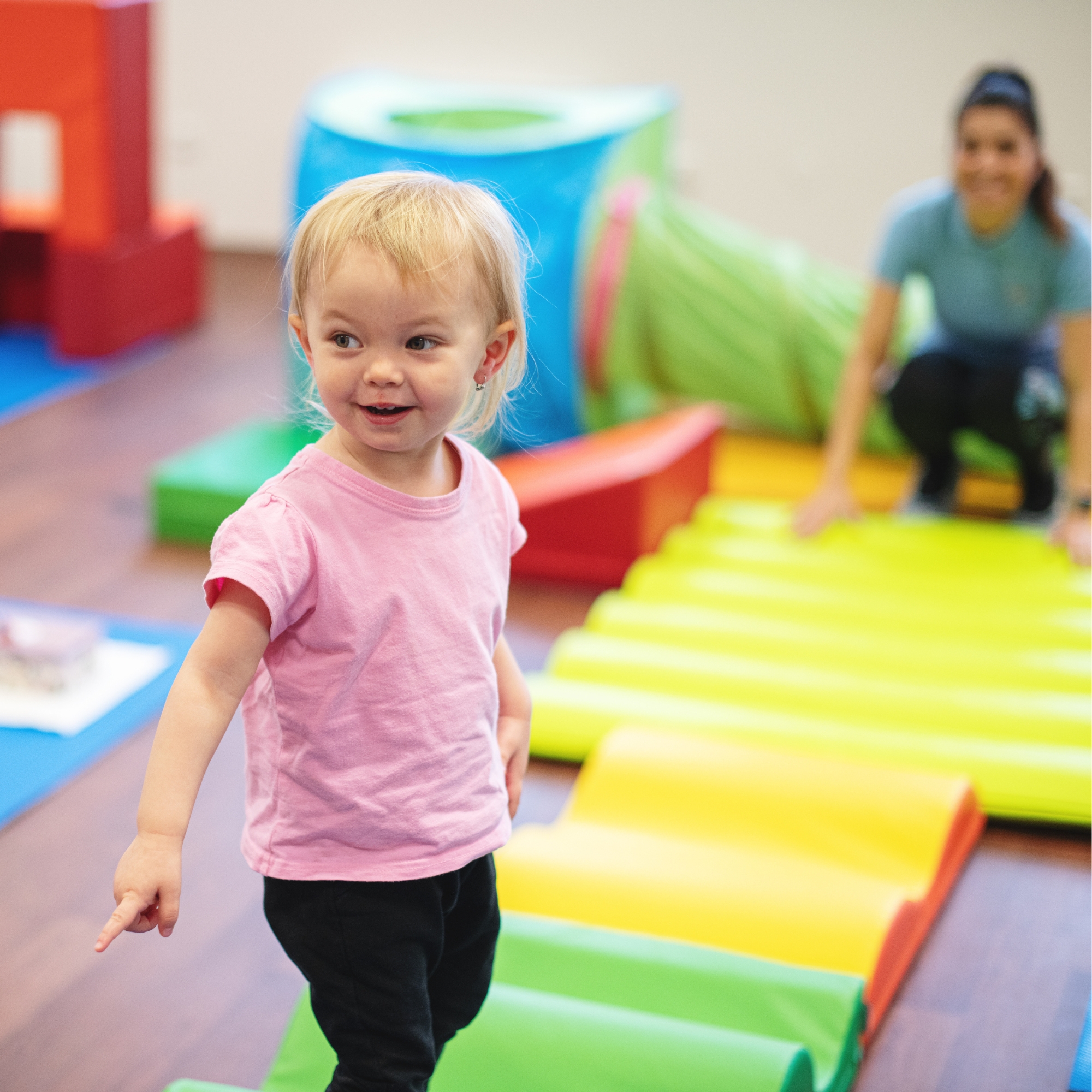 | 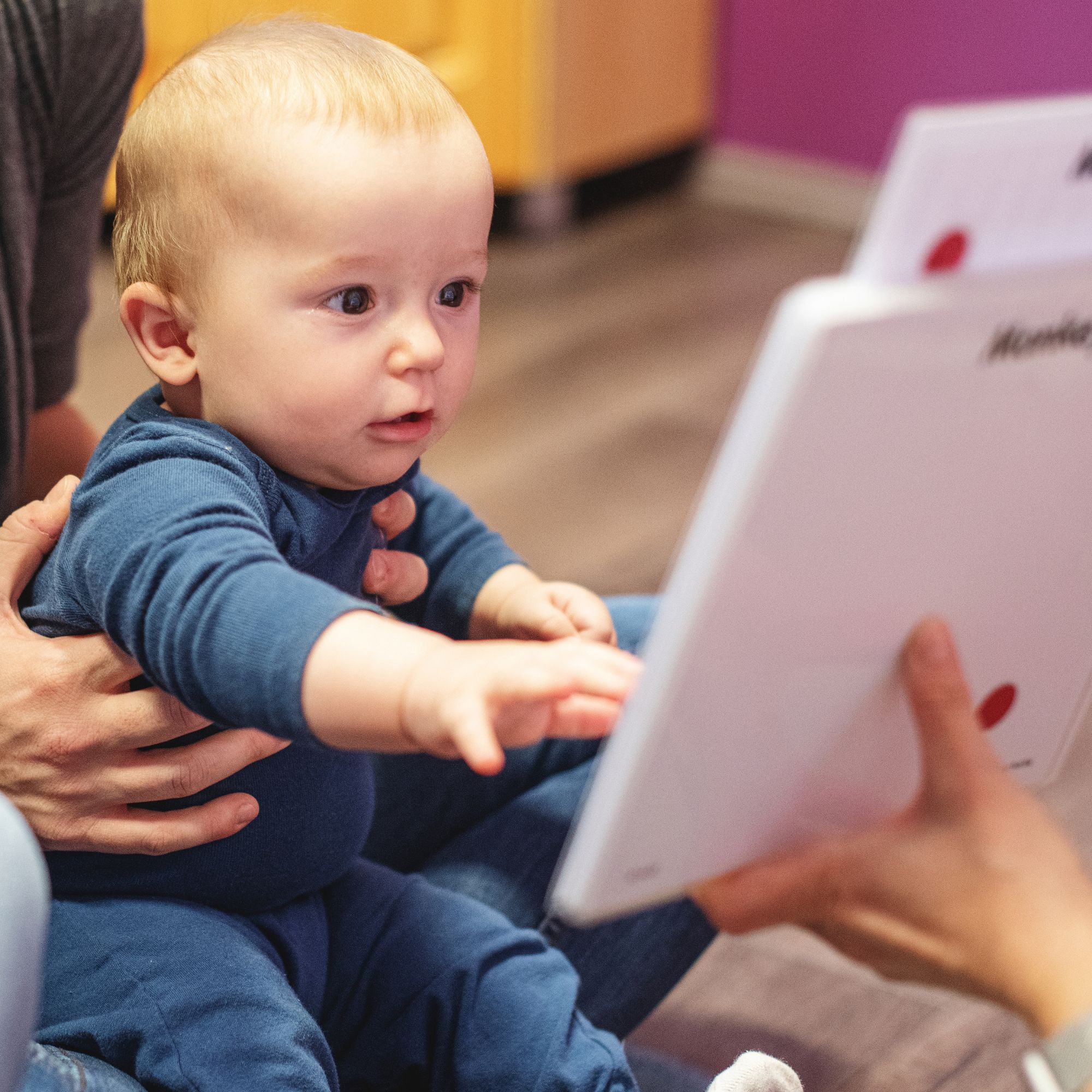 |
| PlayWisely sessions are held independently on Gajdošova Street in Brno-Židenice. Children train both their brains and bodies – not for performance, but for life | Specially designed educational cards are shown to children in a regular rhythm and in quick succession, helping their brains absorb and remember new information more effectively |
And can you tell us why you chose Nová Zbrojovka for your new children's group?
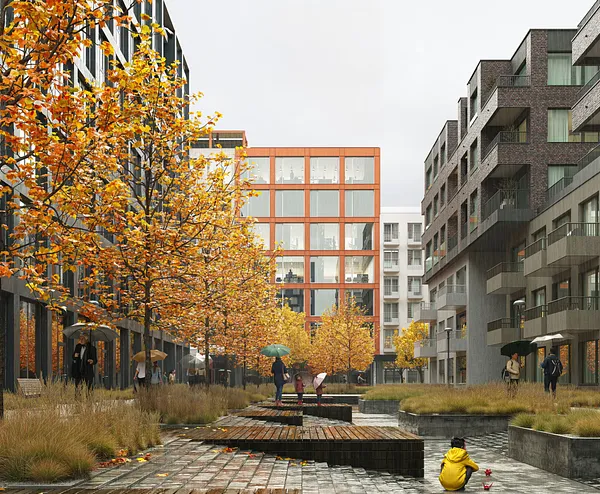
I like the way you think about the future here. Nová Zbrojovka is a modern neighbourhood that also makes space for nature and creates a new environment in a place that was previously underused. That makes a lot of sense to me. I also like the fact that Nová Zbrojovka has a strong community and cultural life, with various events taking place here.
You think innovatively while also respecting tradition. I think that is something we have in common. I sometimes jokingly say that I am from the old school – I like things that have stood the test of time and make sense, but at the same time, it is important to me to think about the future and what will be good for people. And, of course, it is also convenient that everything is within walking distance. I believe that preschools and children's groups will become increasingly important as the whole neighbourhood continues to develop. In the future, we would therefore also like to expand here with a traditional Montessori preschool.
So are you planning to expand further in Nová Zbrojovka?
Yes. If suitable premises become available as part of the planned development in 2029–2030, we would like to open a traditional Montessori preschool here, ideally with two classes. In my view, Nová Zbrojovka has great potential to become a place where families with children can truly enjoy living.
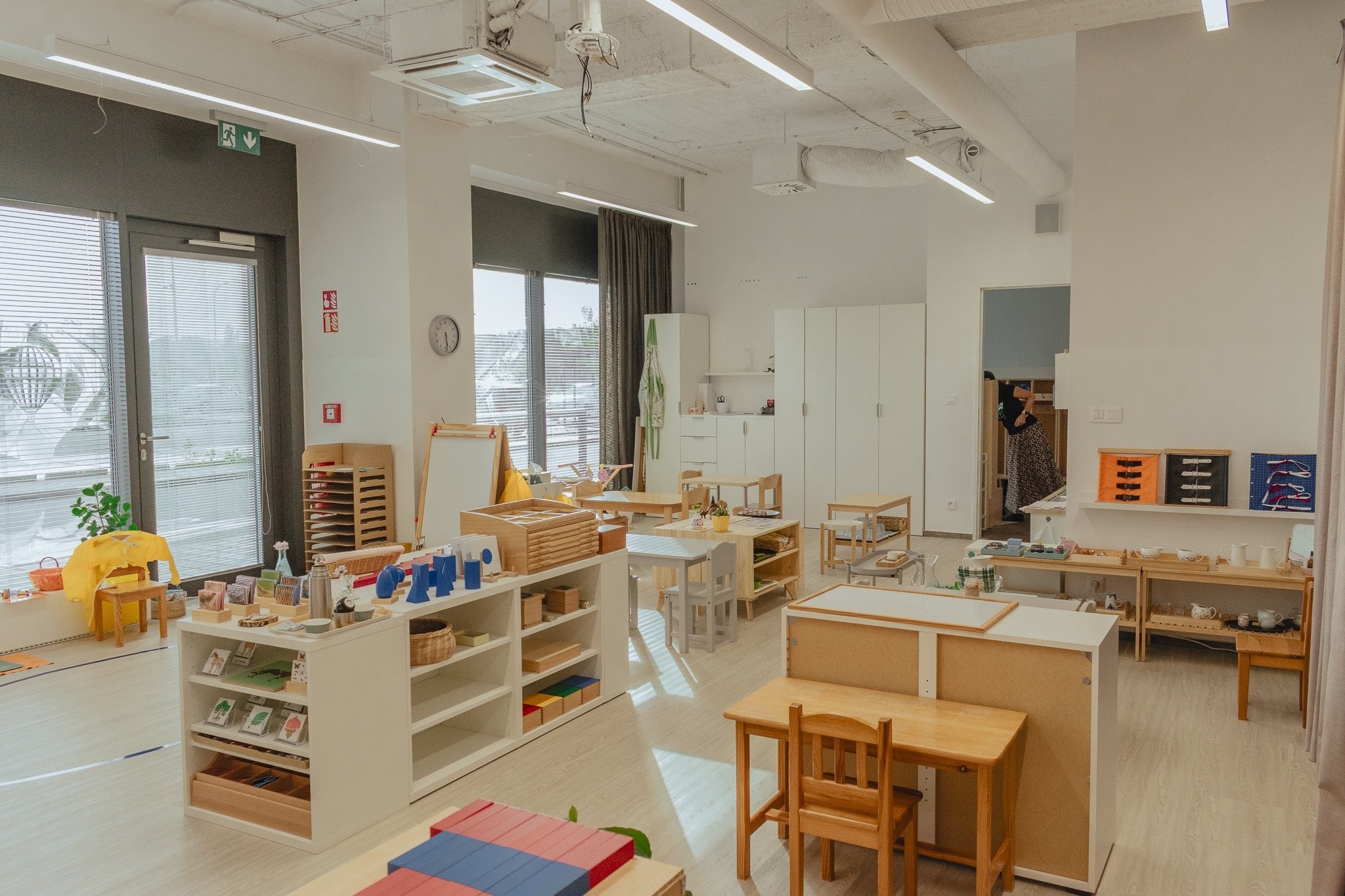 | 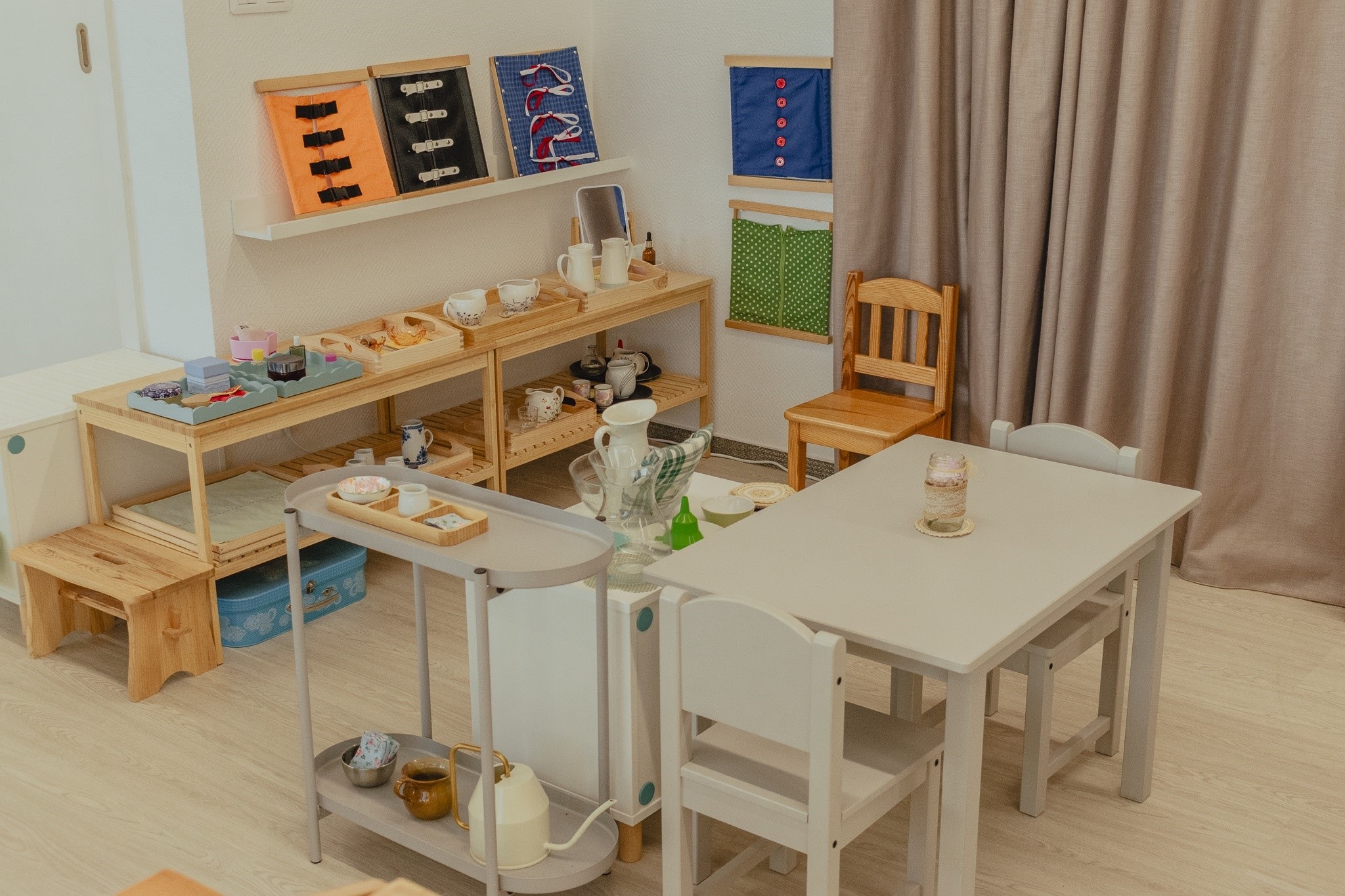 |
| Pliška Academy chose its premises in Nová Zbrojovka for their shared values – a respect for nature, an innovative approach and appreciation for tradition | In the future, the academy would also like to open a traditional Montessori preschool here, ideally with two classes |
Do you think children from your group can later naturally continue their education at the Czech-English private school Maple Bear here in Nová Zbrojovka, or at a public school?
I think so – and not only there. Children who attend Montessori can go on to any type of school, whether public or private. The foundation is that they know how to learn, are independent and curious, are not afraid to ask questions and are able to express their opinions. After that, it comes down to what the child and family prefer. Maple Bear is bilingual, just like we are, and places an emphasis on each child's individuality, so the transition can be quite natural. What matters is that the next environment is a good fit for the individual child and their needs. That is why I believe children can also be happy in a public school.
Is the children's group also suitable for children with special needs?
Yes, we also have experience working with children with a range of special needs. A calm and respectful environment can be a good fit for many of them and help them feel more secure. However, it always depends on the individual child and their specific needs. We also offer specialised PlayWisely sessions specifically designed for children with special needs, and we have had very positive experiences with these as well.
Where can people interested in the children's group find out more?
Up-to-date information is available on the Pliška Academy website. We are also happy to personally introduce prospective families to our environment and explain how we work, including what everyday life in the group looks like. Simply get in touch with us by phone or email and arrange a visit.
Thank you for such an inspiring conversation.
From the Nová Zbrojovka team, we would add that quality education is one of the key pillars of the development of the entire neighbourhood. We see schools and preschools as places where children not only receive an education, but also grow up, play sports, spend time with friends and develop a relationship with the place they live. Even today, Nová Zbrojovka offers an attractive range of private education, including Maple Bear and PORG, which will eventually be complemented by a public school for 810 children. If you would like to learn more about education in Nová Zbrojovka, take a look at our articles: